
Video Collection FOUNDATIONS
Film ordinary chores the way robotics teams need them: the right mount, natural movement, and a home kept private on camera.
Counts towards Data Collection Foundations certification: 8 courses required.
Course Fee
Overview
Start your Video Collection journey.
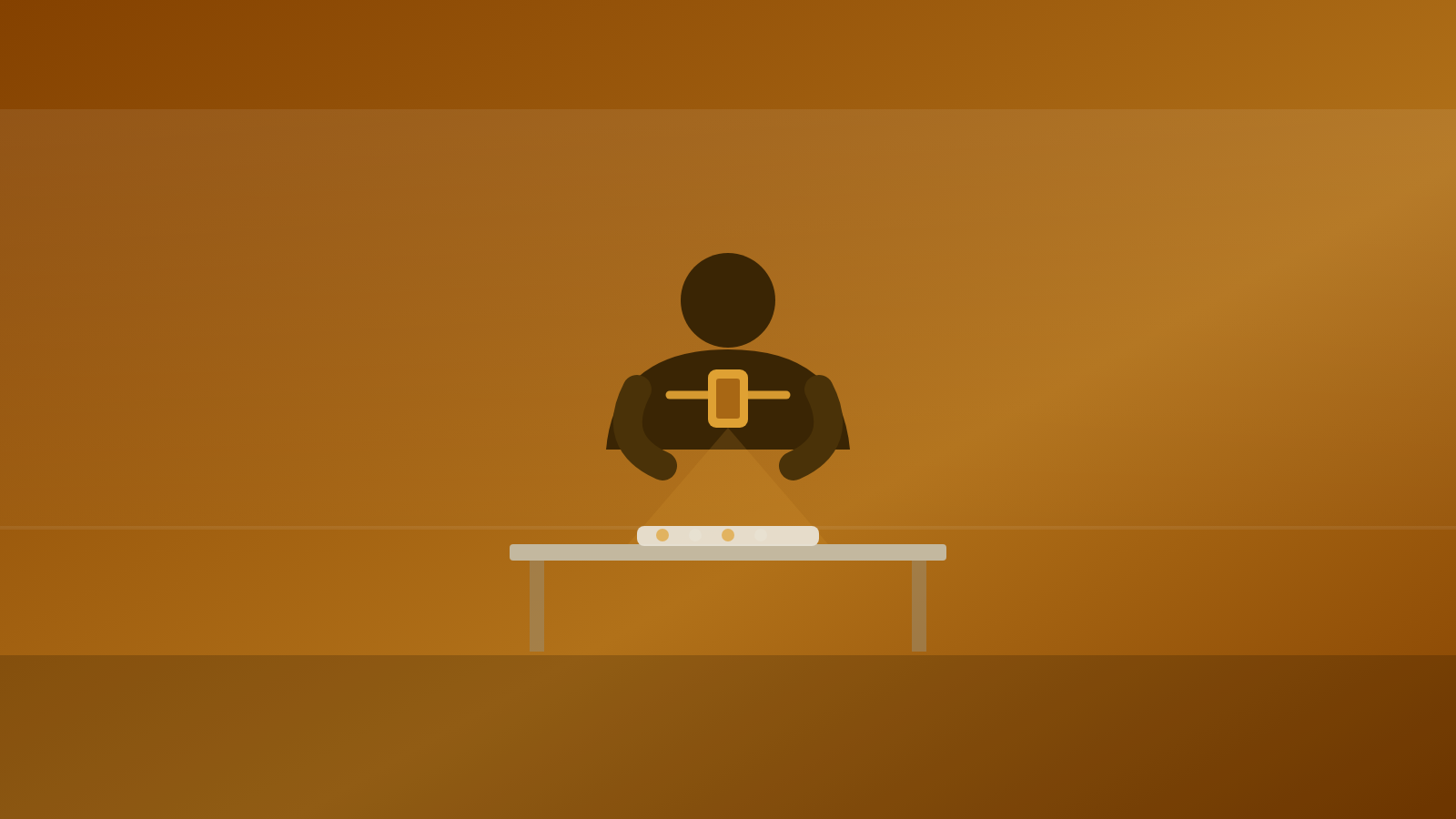
Companies building household robots have a strange problem. Robots learn manipulation by watching people do real tasks from the worker's point of view, and no amount of internet video shows chores that way.
So contributors around the world are paid to record ordinary life at home, cooking, tidying and unpacking, on tightly specified phones and mounts, with payment for footage that passes review rather than for time spent recording.
This course takes you from an eligible phone to footage that passes: the device gate and what actually sits behind it, head straps and chest mounts and what each is for, the settings, framing and stability that silently fail a batch, what natural behaviour means to a reviewer and what staging looks like, and how to keep a household private on camera. Auto-marked judgement exercises are built around real footage problems, including a clip with two faults that do not matter and one that does, and Project Meridian, the example project from Data Collection Basics, continues here with you inside it. Around 1 to 2 hours, self-paced; the free Data Collection Basics first is recommended.
One of the eight courses of the Data Collection Foundations certification programme: pass all eight to become a Certified Data Collector. Available on its own or under the programme fee; certificate included on passing.
What You Get
What's included in your training
Structured Learning Modules
Learn at your own pace through structured modules on the DeeLab Academy learning platform.
Self-Paced Schedule
No fixed schedule. Start when you want, finish at your own pace.
Knowledge Checks
Worked examples and per-unit practice quizzes with instant feedback, plus a final knowledge assessment on the e-learning platform (80% to pass).
Certificate Included
Your verifiable certificate for this course is included in the programme price, issued once you pass the final assessment.
Outline
What you'll learn
-
Video Collection Projects and Devices
Which video projects exist, and why device and mount requirements are strict.
-
Recording Technique
How settings, framing, stability, and complete activities decide whether footage passes.
-
Natural Behaviour on Camera
Why naturalness is specified, and what staging looks like to a reviewer.
-
Privacy in the Home on Video
How room staging and privacy pauses keep household recordings usable.
-
Judging Video Submissions
What the video rejection catalogue contains, and how self-review prevents it.
Counts toward the Data Collection Foundations (DCF) certification programme.
How it works
From enrolling to certified
1
Learn at your own pace
Start the moment you enrol and work through the material in your own time. There is no cohort to wait for and no fixed schedule to keep up with.
2
Pass the assessment
The course ends with a graded assessment you take when you are ready. The result is what counts, not how long you took.
3
Receive your certificate
Issued within one week of passing, with a public verification page anyone can check.
Two ways in
This course, or the whole programme
Just this course
Video Collection Foundations
One course, with its certificate when you pass.
at your own pace
Best value
The full Data Collection Foundations
All 8 courses, and the programme certificate at the end.
the courses one at a time
Frequently Asked Questions
Everything you need to know about this course.
It's designed for beginners. No AI knowledge and no filming background are required, and you don't need a qualifying phone or a mount to take the course, because the device rules are explained so you can check your own kit before applying to a project. Data Collection Basics is the recommended starting point, but this course doesn't assume it.
Not for the course. For real projects, usually yes: video collection has the strictest hardware rules in the industry because clients need every contributor's footage to look the same, so a project will name acceptable phone models (often recent iPhones, sometimes with an ultrawide lens) and a specific head or chest mount. The course covers how those requirements are written, how to check whether your device qualifies, and who normally pays for the mount.
Reading, interactive scenario exercises, and knowledge checks on the e-learning platform. It teaches the conventions of video collection: mounts and settings, framing and stability, natural behaviour, home privacy, and how reviewers decide. Some units suggest optional at-home practice with your own phone, but nothing is uploaded and nothing you record is reviewed or marked by DeeLab.
Most learners finish in 1 to 2 hours, self-paced. Each of the five units has reading and a practice quiz with instant feedback, and interactive exercises run throughout the course. The final knowledge assessment is a set of questions with an 80% pass mark. You can retake it as many times as you need, with 24 hours between attempts, and your highest score counts.
The other Data Collection Foundations courses are the natural next step, and each is available on its own or under the programme fee: audio, images, web research, conversational AI data, and human feedback. Each one you pass widens the kinds of project you understand. You can also record your completed courses, languages, equipment and availability in the freelance and gig work section of your trainee profile, which is what DeeLab looks at when a collection project needs contributors.
Yes. The certificate is included in the course fee and is issued automatically once you pass the final assessment and leave your course feedback, and in any case within a week of passing. Pass all eight Data Collection courses and the programme certificate, the Certified Data Collector award, follows automatically as well.
You have three months to complete the course, counted from the day you sign up. Within that window it is entirely self-paced and always open; your progress is saved automatically and you can return whenever suits you.