
Data Annotation Basics: Six Free Courses

Data Annotation Basics is DeeLab Academy's new free programme: six self-paced courses, one for each main type of annotation. Each teaches the principles of its discipline and is the no cost way to learn the field and find which type suits you.
Data Annotation Basics: Six Free Courses, One for Every Type of Annotation
Every AI system you have used was trained on data that a human labelled first. The photo tagged so a camera could recognise a face, the transcript that taught a voice assistant to understand speech, the boxes drawn around cars so a self driving system could see them. That work is data annotation, and it is one of the most accessible ways into the AI industry, because it rewards careful judgement more than it requires a technical background.
The challenge for most people starting out is not motivation. It is knowing where to begin. "Data annotation" is not one job. It splits into several distinct disciplines, each with its own conventions, its own tools, and its own kind of AI behind it. Image work is very different from audio work, and labelling text is nothing like labelling a 3D scene from a self driving car.
The good news is that you can find out where you fit without spending anything. DeeLab Academy's new Data Annotation Basics (DAB) programme is six free, self-paced courses, one for each major discipline. Together they let you learn the principles of the field and see which type of annotation suits you before you commit time or money to going deeper. This article tours all six, so you can see what each involves and pick where to start.
If you want the wider picture first, the skills that make a good annotator, the career, and what the work pays, our Complete Beginner's Guide to getting started in data annotation covers that. This article is the next step down: a closer look at the six free courses themselves and which one to begin with.
What these courses are, and what they are not
Before the disciplines, it is worth being clear about what you are signing up for, because the honesty matters.
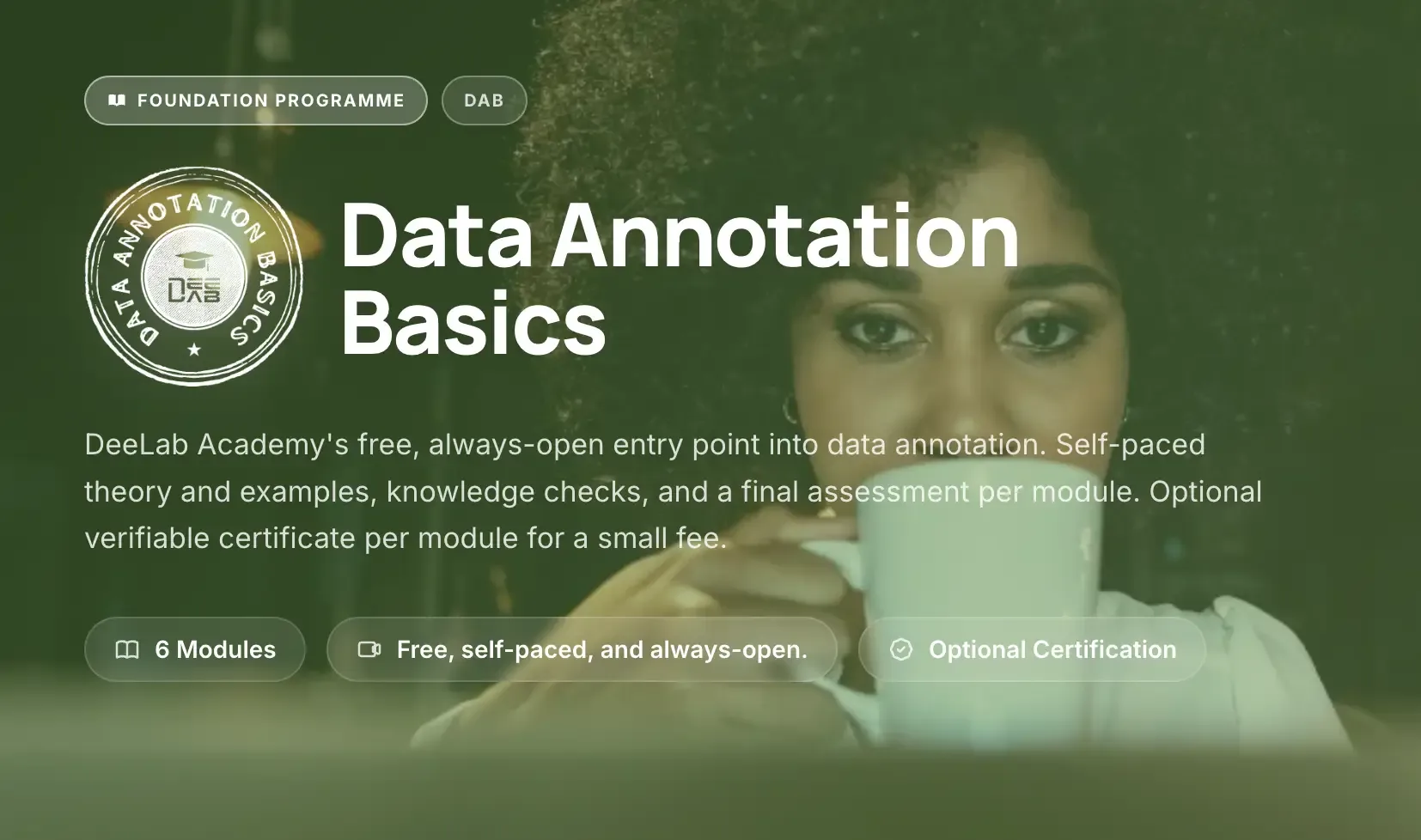
The six Basics courses are free and self paced. Most take around three to five hours to work through, and two of them, Image Segmentation and 3D Point Cloud, run a little longer because the concepts are heavier. You can pause and resume at any point, and your progress is saved. Each course is built the same way: short lessons that explain the discipline, worked examples, common pitfalls, practice quizzes, and a final assessment you need to pass to complete the course.
They are introductions to the disciplines. You learn what each type of annotation is, the principles and conventions professionals follow, and how to tell a correct annotation from an incorrect one, all through clear lessons, worked examples, and quizzes. What they do not include is access to labelling tools. You will not log into a platform and annotate real data in these courses. That is by design: the Basics courses build the understanding first.
This does not make them light. The content is solid, the examples are drawn from real annotation work, and finishing a course means you understand a discipline properly rather than vaguely. They are the theory layer, and a good one, and for getting started that is exactly what you want.
If you later decide to take it further, there are paid options that build on the DAB foundation, including the instructor led Certified Data Annotator (CDA) programme, where you do hands-on labelling on real platforms, and a more intensive bootcamp. But none of that is needed to begin, and this article is about beginning. The learning here is free.
A certificate of completion is available as an optional paid add on if you want something to show an employer, but it is not required to take any course or to learn the material. The learning is free either way.
In short: these courses are the clearest no cost way to understand the field and find your fit. They are not a shortcut to job ready skills on their own. Treated as the first step rather than the whole journey, they are a strong place to begin.
1. Image Annotation
Image annotation is the foundation of computer vision, the AI that lets machines interpret what is in a picture. It powers everything from product search to medical imaging to quality inspection on a factory line.
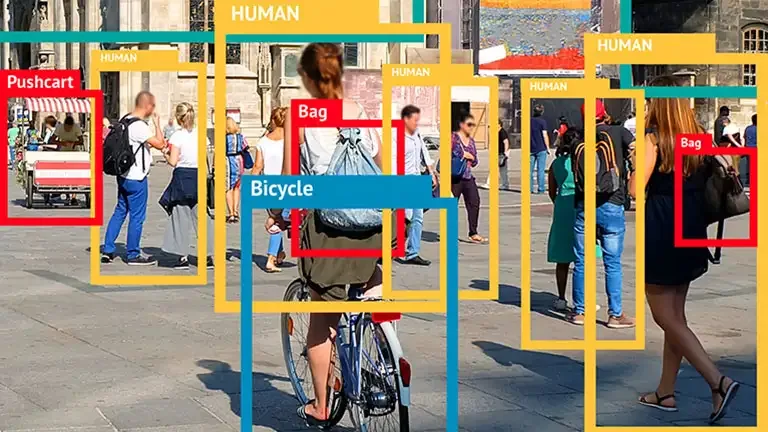
The course covers the core conventions of labelling images: image classification (assigning a label to a whole picture), object detection with bounding boxes (drawing tight rectangles around individual objects), multi label tagging (capturing several things present in one image), and attribute annotation (recording detail such as an object's colour or whether it is partly hidden). It closes by teaching you to spot the difference between a correct and an incorrect image annotation, which is the skill quality reviewers are paid for.
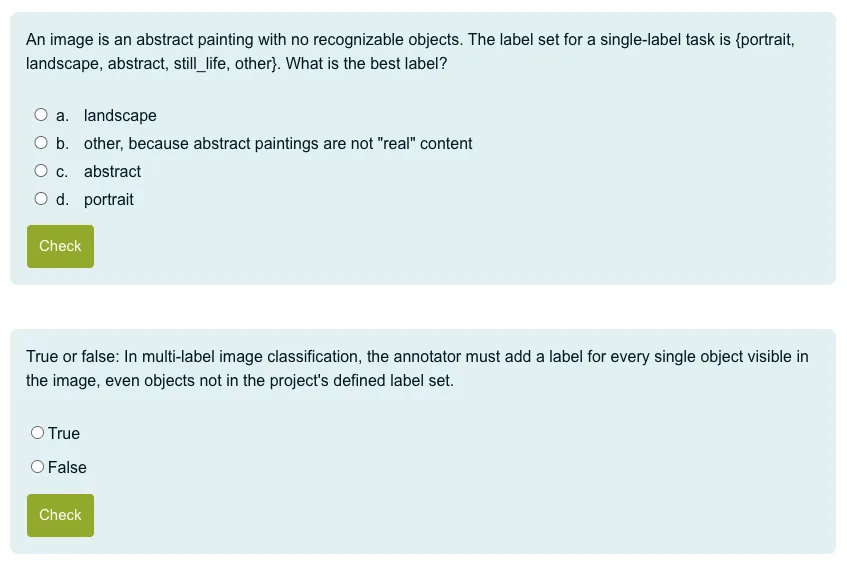
This is the best starting point for most people. Image work is intuitive, the conventions are clear, and the skills transfer to almost every other visual discipline. If you are not sure where to begin, begin here.
Related course Image Annotation Basics Draw your first bounding box and label what you see. How ordinary photos become training data for computer vision. Read more →2. Text Annotation
Text annotation is the groundwork behind natural language AI: search engines, chatbots, customer service assistants, fraud detection, and the language models that have become part of daily life.
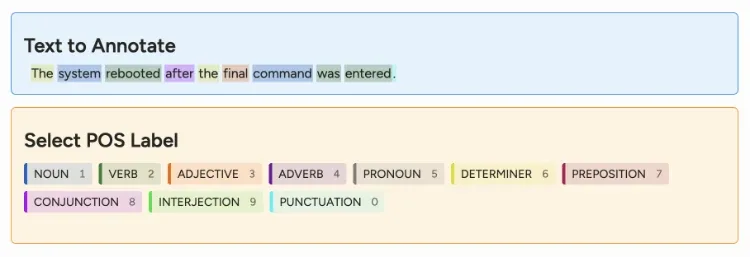
The course introduces four common tasks and how they differ. Sentiment analysis labels the feeling behind a piece of text. Topic classification sorts text into subject categories. Intent detection works out what a user is actually trying to do, which is what sits behind every chatbot that understands a request. Named Entity Recognition, or NER, marks the real world things in a sentence, such as people, organisations, locations, and dates. As with every Basics course, it finishes by training your eye to catch incorrect labels.
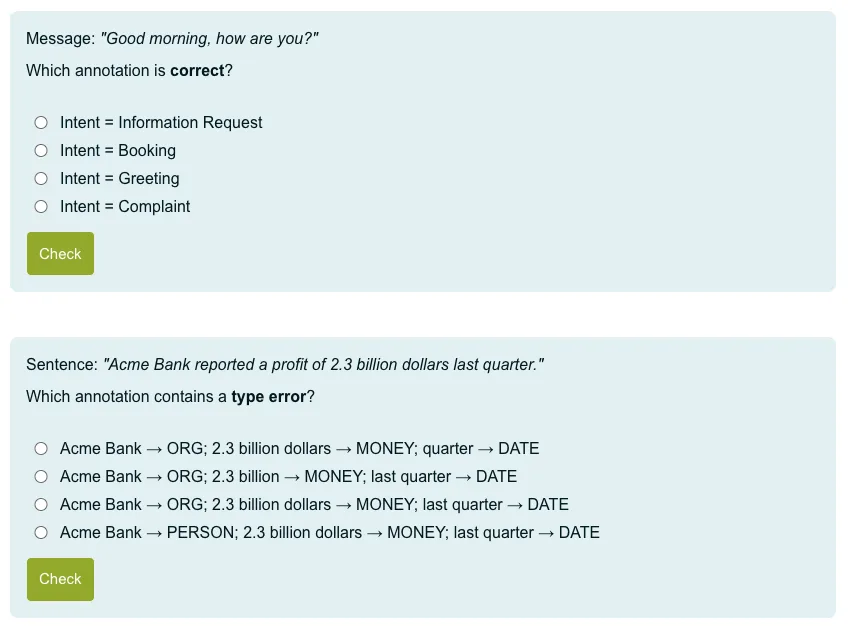
This one suits people who are comfortable with language and reading closely. If you enjoy precision with words and would rather work with meaning than with pixels, text is a natural fit.
Related course Text Annotation Basics Teach AI to read. Mark what a sentence means, who it mentions and what the writer wants: the skill behind every chatbot. Read more →3. Audio Annotation
Audio annotation trains voice AI: speech recognition, voice assistants, and the systems that need to make sense of sound.
The course explains four tasks and how they relate. Audio classification labels what a clip contains. Transcription turns speech into accurate written text. Speaker diarization works out who spoke when in a recording with more than one voice. Sound event detection marks specific sounds, like a dog barking or glass breaking, and where they occur on the timeline. You then learn the markers of a correct versus an incorrect audio annotation.
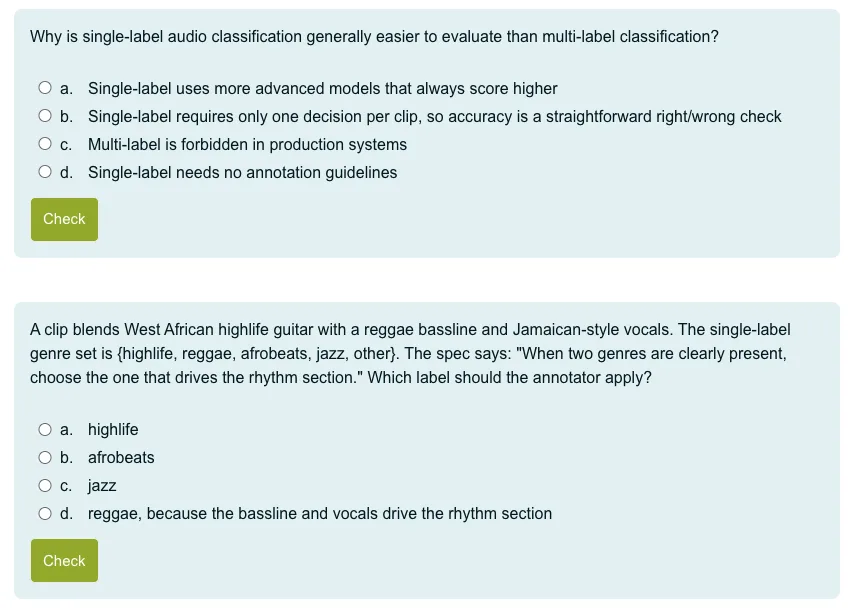
Audio suits people with a good ear and patience for detail, particularly anyone who already does transcription style work or enjoys close listening.
Related course Audio Annotation Basics Turn sound into data: transcribe speech, tag who is talking and label the noises in between, all from your own headphones. Read more →4. Video Annotation
Video annotation builds on image work and adds the dimension of time. It is essential for anything that has to understand motion: autonomous vehicles, sports analytics, security and content moderation. Below example of video annotation task we go through on Video Labeling Essentials course:
The course covers the principles of video classification (labelling what a clip shows), temporal segmentation (marking the start and end of meaningful moments inside a longer video), object tracking across frames (following the same object with a consistent identity as it moves), and activity annotation (labelling what is happening, such as a person running or a vehicle turning). It ends with spotting correct and incorrect video annotations. There are no actual video clips available in the course.
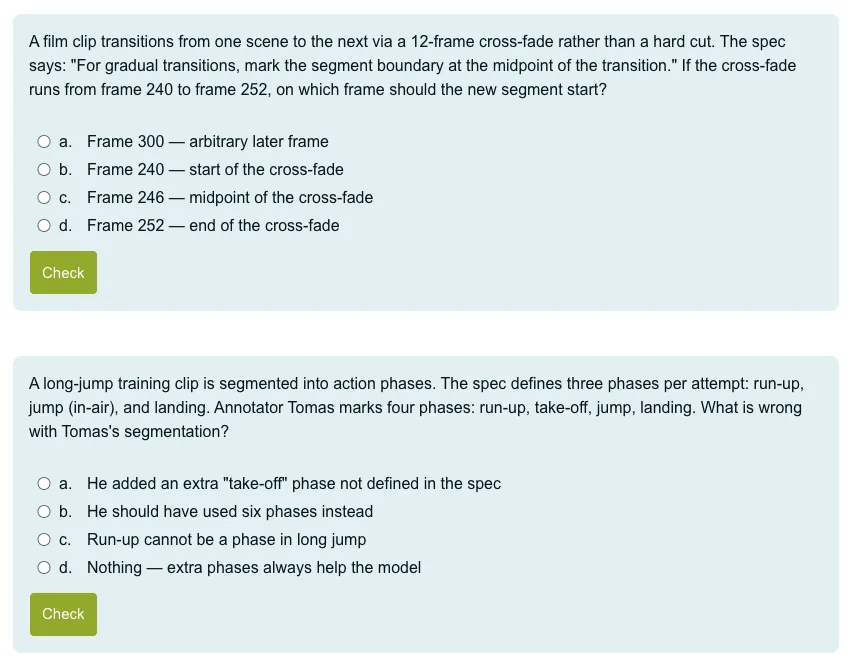
This is a good next step once image annotation makes sense to you, since it uses the same visual instincts with an added layer of continuity to track across frames.
Related course Video Annotation Basics Follow a moving object frame by frame and name the action. This is how video AI learns what happening looks like. Read more →5. Image Segmentation
Image segmentation is the precise end of visual annotation. Instead of drawing a box around an object, you label it at the pixel level, tracing its exact shape. It is used where accuracy is critical: medical imaging, autonomous driving, and satellite analysis.
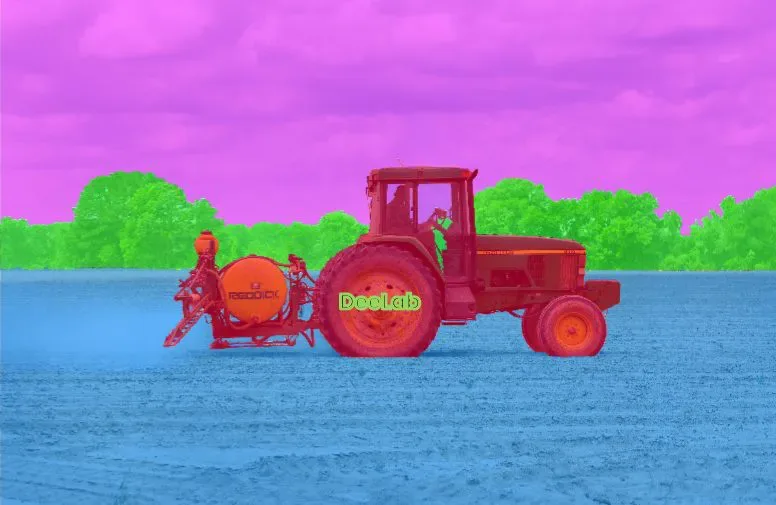
This course goes a little deeper than the others, so allow closer to five to seven hours. It covers semantic segmentation (labelling every pixel by class), instance segmentation (separating individual objects of the same class), and panoptic segmentation (combining both). It also explains the practical trade off between polygon contours and pixel masks, the two ways of capturing a region, and when each is the right choice. As always, it finishes with recognising correct versus incorrect work.
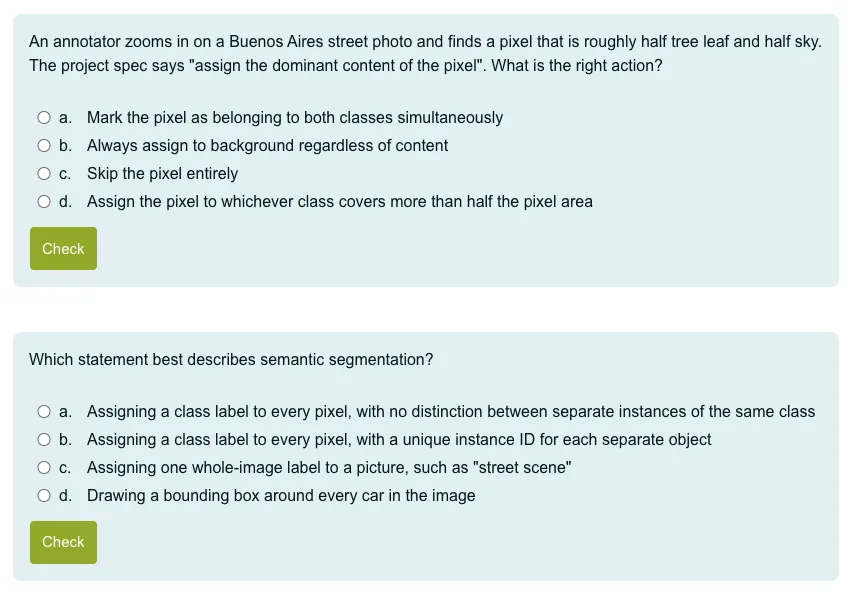
Segmentation suits people who like detailed, careful work and do not mind slower, more exacting tasks. It is worth taking the image annotation course first, since segmentation builds on those ideas.
Related course Image Segmentation Basics Colour an image pixel by pixel until a machine can tell road from sky. Segmentation, from your first mask. Read more →6. 3D Point Cloud
3D point cloud annotation is the most specialised of the six, and one of the highest value. It is the labelling behind autonomous driving and robotics, working with 3D scenes captured by LiDAR sensors rather than flat images.
This course also runs a little longer, because 3D space, depth, and rotation take some getting used to. It explains what a point cloud is and how a LiDAR sensor produces one, how to draw 3D bounding boxes (called cuboids) around vehicles and pedestrians, how camera images and LiDAR data are combined through sensor fusion, and what per point 3D semantic segmentation involves. It closes with spotting correct and incorrect 3D annotations.
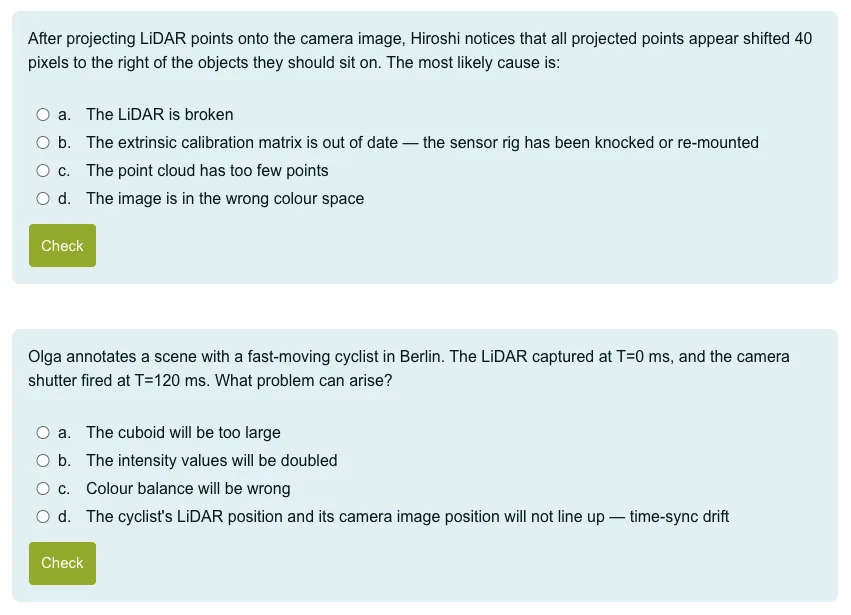
This is the discipline to reach for if you want a niche with less competition and strong demand, and you are comfortable thinking in three dimensions. It is more demanding than the others, but that is exactly why fewer people can do it well.
Related course 3D Point Cloud Basics Work in three dimensions: fit boxes around cars in laser-scanned streets and see how robots learn depth. Read more →Where to start
You do not have to take all six, and you certainly do not have to take them in order. A sensible path:
- If you are completely new, start with Image Annotation. It is the most intuitive, and the conventions carry over to video and segmentation.
- If you already know which kind of AI interests you, go straight to that discipline. Drawn to language, take Text. Drawn to voice, take Audio. Interested in self driving and robotics, take 3D Point Cloud.
- If you are exploring, treat the courses as a tour. Each one is a few free hours that tells you whether that type of work suits how you think. There is no better way to find your fit than to try the real conventions and see what clicks.
The bigger picture
These six DAB courses are deliberately the first step, and a free one. They teach you the language, principles, and judgement of each discipline, so that whether you stop there or carry on, you have a real understanding of the field rather than a vague impression of it.
If you do want to carry on, the path is clear: the Certified Data Annotator programme adds instructor led, hands-on training on real platforms like CVAT and Label Studio, leading to certification, and there is a more intensive bootcamp for those who want it. But that is a decision for later. For now, the point is simply that the door is open and it costs nothing to walk through.
Data annotation is one of the few parts of the AI industry you can step into on curiosity alone, at no cost, today. Six free courses, a few hours each, and a clear view of where you fit. That is a good way to begin.
 Related programme
Data Annotation Basics
Six free courses that teach machines to see, hear and read. Start anywhere, finish with the full map of annotation work.
Read more →
Related programme
Data Annotation Basics
Six free courses that teach machines to see, hear and read. Start anywhere, finish with the full map of annotation work.
Read more →
Free newsletter
Data annotation insights, straight to your inbox
Career guides, industry news, and practical tips — sent only when worth your time. No spam.
Kari is the founder of DeeLab and also the founder & CEO of Tailjay, a Singapore-based venture builder operating globally. At DeeLab, Kari leads a growing team of professionals focused on high-quality data annotation and project-based su...
Ready to level up?
Explore our data annotation courses
Put these insights into practice with hands-on training built for aspiring data annotators and AI teams.
Explore related topics
Related Programmes